

Best Performance SUVs in 2026: A Buyer’s Guide to Cars and Finance

Updated: 4 days ago

Performance SUVs have become a serious part of the prestige car market. Buyers can now choose between a naturally aspirated Ferrari V12, a plug-in hybrid Lamborghini and an electric Porsche, all with space for passengers and everyday use.
But choosing the right SUV involves more than comparing acceleration figures. Specification, running costs, ownership plans and the way you finance the purchase all deserve attention.
Here is Approved Motor Finance’s guide to what each offers and what to consider before buying.
Ferrari Purosangue

The Purosangue offers a distinctive interpretation of the performance SUV. Ferrari’s first four-door, four-seat production car uses a 6.5-litre naturally aspirated V12 producing 725cv, approximately 715bhp, with active suspension and an eight-speed dual-clutch transmission.
For buyers attracted to Ferrari’s V12 character but wanting space for passengers, it has an obvious appeal. The four-seat layout is also a practical consideration: families needing five seats will have to look elsewhere.
Pros: Naturally aspirated V12, four individual seats and sophisticated chassis technology.
Cons: No fifth seat; a substantial purchase price and ownership budget.
Finance perspective: Assess the actual asking price and specification rather than relying on a headline list price. Personalisation can add significantly to the amount borrowed, without necessarily adding the same value when you sell.
Our Ferrari 812 Superfast case study illustrates this approach. Kerry Andrews and Rosie-Kay Newbury supported a client with sourcing a more suitable car through HR Owen before arranging PCP finance. It is a different Ferrari model, but a relevant example of bringing vehicle selection and funding together.
Aston Martin DBX S

The DBX S builds on the DBX707 with an upgraded 4.0-litre twin-turbo V8 producing 727PS, approximately 717bhp. Aston Martin quotes 0–62mph in 3.3 seconds and a 193mph top speed. Quicker steering and optional lightweight components add to its performance credentials.
The attraction is a five-seat Aston Martin with the power to sit alongside much more overtly sporting machinery. Buyers should look closely at specification: the maximum advertised weight saving depends on optional equipment.
Pros: Strong V8 performance, five-seat practicality and a distinctive luxury interior.
Cons: Expensive optional equipment; substantial fuel and maintenance commitments.
Finance perspective: Compare a DBX S with a suitably specified pre-owned DBX707 using actual purchase prices and finance terms. A newer flagship and a used alternative can make very different demands on your deposit and monthly budget.
AMF’s £103,500 Aston Martin DBS Superleggera case study shows our experience arranging Hire Purchase for the marque, with Matthew Martin and Rosie-Kay Newbury supporting the client.
Land Rover Defender OCTA
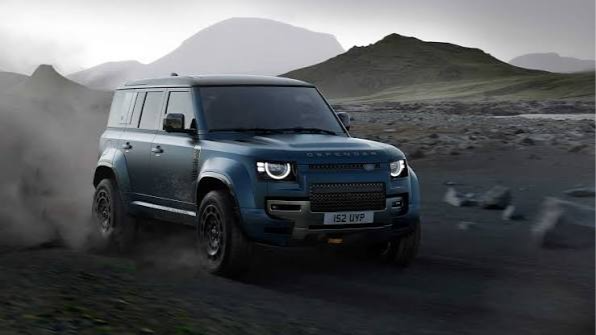
The OCTA takes the Defender into a different performance category. Its 4.4-litre twin-turbo mild-hybrid V8 and hydraulically linked 6D Dynamics suspension combine serious power with engineering designed for demanding terrain. Launch specification delivered 635PS, approximately 626bhp.
Its appeal is breadth of ability: an SUV for buyers who want luxury and performance alongside substantial off-road capability. Much of that engineering may go unused if your driving is mainly around town.
Pros: V8 performance, advanced suspension and extensive off-road capability.
Cons: Substantial size and running costs; specialist capability that some owners may rarely use.
Finance perspective: Confirm the exact model year, engine output and equipment before comparing vehicles or quotes. For a used example, inspect its condition and service history carefully, particularly if it has been driven off-road. Your finance budget should leave room for maintenance and appropriate tyres.
Alfa Romeo Stelvio Quadrifoglio

The Stelvio Quadrifoglio offers a different route into this market. Its 2.9-litre twin-turbo V6 works with Q4 all-wheel drive and a limited-slip differential, combining performance-focused engineering with a useful 525-litre boot.
It deserves attention from buyers who want an SUV with a strong sporting identity without moving into the largest vehicles on this list. Its cabin technology includes an 8.8-inch infotainment screen, which is worth trying alongside newer alternatives.
Pros: Performance-focused V6, all-wheel drive and useful luggage space.
Cons: Fuel and maintenance costs remain important; cabin technology may not suit every buyer.
Finance perspective: A pre-owned Quadrifoglio is worth comparing with a new example. Check the saving against vehicle age, mileage, warranty cover and anticipated maintenance. A lower asking price is only part of the ownership calculation.
Porsche Cayenne GTS

The Cayenne GTS pairs a 4.0-litre twin-turbo V8 with 500PS, approximately 493bhp, and a chassis developed around its sporting role. It offers a petrol-powered alternative to the increasingly complex hybrid and electric options in this segment.
For many buyers, the appeal is the combination of V8 character, practical bodywork and a broad range of configurations. The choice between SUV and Coupé, as well as the options fitted, should reflect how you intend to use it.
Pros: V8 power, practical versatility and performance-focused suspension.
Cons: Significant fuel consumption; options can substantially increase the purchase price.
Finance perspective: Compare the complete specification of each car. Two GTS examples can differ materially in price and equipment. Decide which options you will use before increasing the amount financed to accommodate them.
Range Rover Sport SV

The Range Rover Sport SV combines a 4.4-litre twin-turbo mild-hybrid V8 with 6D Dynamics suspension. The 635PS version produces approximately 626bhp, while its hydraulically interconnected suspension is designed to control pitch and roll.
It is an appealing proposition for buyers who want Range Rover comfort and presence alongside a substantial increase in performance. However, specialist wheels, brakes and trim packages need to be considered as part of the ownership budget.
Pros: Powerful V8, sophisticated suspension and a luxury-focused cabin.
Cons: High ownership costs; specialist equipment can be expensive to replace.
Finance perspective: Confirm which SV edition you are purchasing and obtain an insurance quote before committing. For used vehicles, check the fitted braking system, wheel condition, warranty and service history. Those details help you compare the overall cost of two apparently similar examples.
Porsche Cayenne Turbo Electric

The Cayenne Turbo Electric takes performance in another direction. Porsche quotes up to 1,156PS with Launch Control and 0–62mph in 2.5 seconds. That peak figure is temporary launch output, rather than the power available continuously in normal driving.
Adaptive air suspension is standard, while rear-axle steering and Porsche Active Ride are among the available chassis options. For buyers considering an electric performance SUV, home charging and regular journey patterns belong near the top of the checklist.
Pros: Exceptional acceleration, electric propulsion and advanced chassis options.
Cons: Charging needs planning; specification and driving conditions affect the ownership experience.
Finance perspective: Include home charger installation, electricity costs and warranty cover in your comparison. Ask how the proposed agreement handles the end of the term, especially if you intend to change cars rather than retain it. Future resale values should never be treated as guaranteed.
Lamborghini Urus SE

The Urus SE combines a 4.0-litre twin-turbo V8 with an electric motor for a total 800CV, approximately 789bhp. Lamborghini quotes 0–62mph in 3.4 seconds and an electric-only range exceeding 60km under its stated test conditions.
It retains the distinctive Urus identity while adding plug-in hybrid capability. Buyers planning to use that electric capability should consider how often they can charge it and how their journeys fit the available range.
Pros: Strong performance, distinctive design and electric driving capability.
Cons: Charging is needed to make full use of the hybrid system; substantial purchase and maintenance costs.
Finance perspective: Compare the SE with earlier Urus variants using real vehicle prices, specifications and funding options. They have different powertrains and ownership considerations.
AMF has already arranged a £250,000 Hire Purchase agreement for a Lamborghini Urus Performante. Matthew Martin sourced a tailored agreement that helped reduce the client’s monthly repayments. The Performante differs from the hybrid SE, but the case demonstrates our experience funding the Urus range.
Bentley Bentayga Speed

The latest Bentayga Speed uses a 4.0-litre twin-turbo V8 producing 650PS, approximately 641bhp, replacing the W12 used by its predecessor. Bentley quotes 0–60mph in 3.4 seconds, alongside a cabin with extensive personalisation possibilities.
It is a strong candidate for buyers whose priorities include cabin finish and long-distance comfort as well as performance. When comparing used examples, distinguish between the previous W12 Speed and the newer V8 model.
Pros: Extensive interior choice, powerful V8 and a luxury-focused specification.
Cons: Bespoke options can be costly; ownership requires a substantial budget.
Finance perspective: Establish the exact version, original specification and service history. On a highly personalised Bentley, the equipment you value may differ from what another buyer will pay for later. Assess the purchase on its suitability for you rather than an assumption about resale.
Mercedes-AMG G63

The Mercedes-AMG G 63 combines the G-Class’s familiar upright body with a 4.0-litre twin-turbo V8. The current model adds mild-hybrid assistance to an engine rated at 585PS, approximately 577bhp.
Its appeal is as much about design and character as outright speed. The tall, substantial body also makes a test drive and a check of your regular parking spaces particularly worthwhile.
Pros: Recognisable design, V8 character and off-road engineering.
Cons: Large dimensions; significant fuel, insurance and maintenance costs.
Finance perspective: Assess the individual vehicle’s specification, condition and asking price. High-value personalisation does not automatically translate into an equivalent resale premium.
For related G-Class experience, AMF recently arranged £160,000 in funding for a Mercedes-Benz G 580 with EQ Technology. That vehicle is fully electric, rather than an AMG G 63, and demonstrates our work supporting buyers across the wider G-Class range.
How to finance a performance SUV
The appropriate agreement depends on the vehicle, your circumstances and what you want to happen at the end of the term.
Hire Purchase: Standard HP spreads the balance and interest across agreed payments. Ownership transfers after all required payments and any option-to-purchase fee have been paid. It is worth considering if your intention is to keep the vehicle.
Personal Contract Purchase: PCP defers part of the balance to an optional final payment, which can reduce monthly repayments compared with equivalent standard HP. To own the vehicle, you must make that final payment. Returning it is subject to the agreement’s mileage and condition terms, and interest is charged on the amount borrowed, including the deferred balance.
Agreements with a balloon: Where available, a required final balloon can reduce regular repayments, but you must plan how to pay it. Refinancing is subject to a fresh assessment and should not be assumed. A required balloon does not automatically give you PCP-style return rights.
When comparing quotations, review the deposit, APR, term, fees, total amount payable and any final payment together. A lower monthly figure can result from borrowing over a longer period or deferring more of the balance, rather than a lower overall cost.
Also allow for insurance, servicing, tyres, brakes and fuel or charging. Your vehicle’s future value may be lower than expected, and equity for your next purchase is not guaranteed.
Discuss your next performance SUV with Approved Motor Finance
Whether you are considering a Lamborghini Urus, Porsche Cayenne, Range Rover Sport or another prestige SUV, Approved Motor Finance can explore suitable options from our panel of lenders.
Our team will take the time to understand the vehicle, your budget and your ownership plans before discussing available finance structures.
Contact Approved Motor Finance to discuss your next vehicle, or call 01908 429888 or click the link below to get a quote today.
Finance is subject to status and lender approval. Product availability and terms depend on the applicant and vehicle. Approved Motor Finance is a credit broker, not a lender. Vehicle specifications vary by model year and market; confirm the details of your chosen car before purchase.


Comments